This Eating Learning Growing guide provides a framework, activities, and reflections that help educators enhance farm to school lessons to make them more culturally relevant and celebrate fruits and vegetables.
Student engagement is the degree of attention, interest, curiosity, and positive emotional connections students experience while learning. It is what we build from to understand instruction.
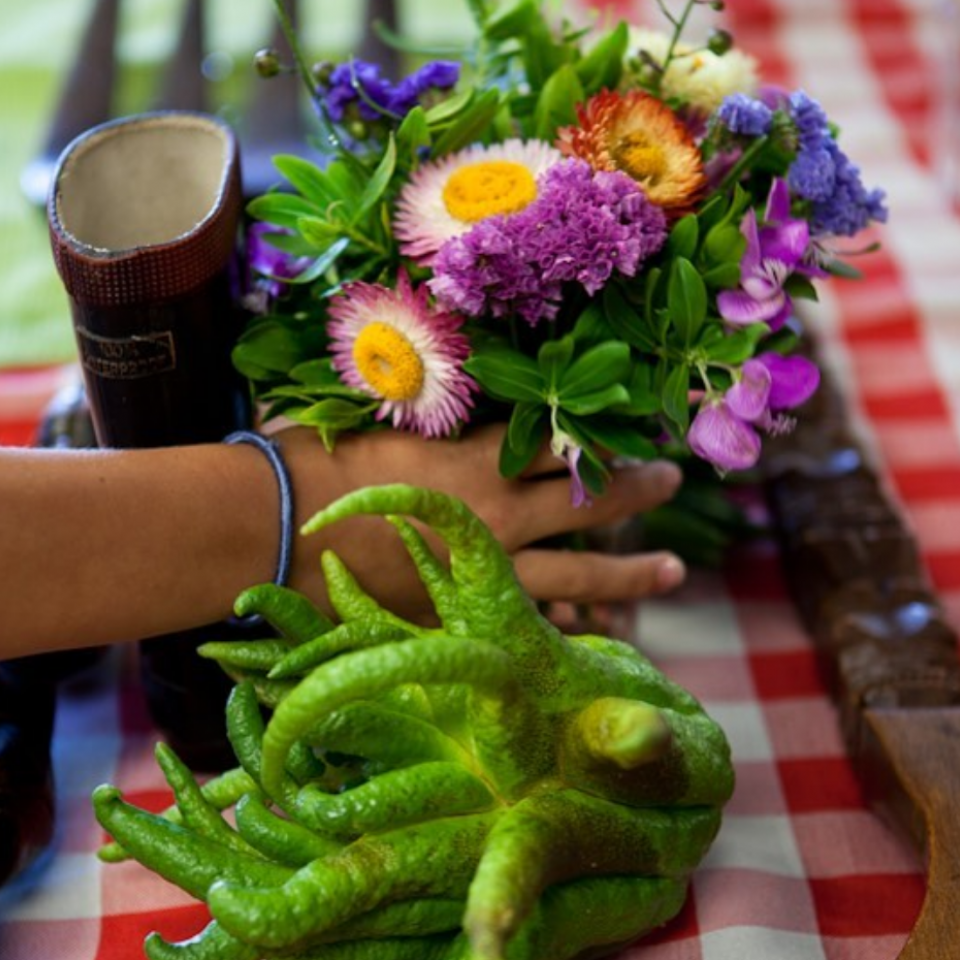
Is there a food that is special to you? It could be a food that is part of your cultural heritage. A food that reminds you of a great day or a special person. Or it could just be something delicious!
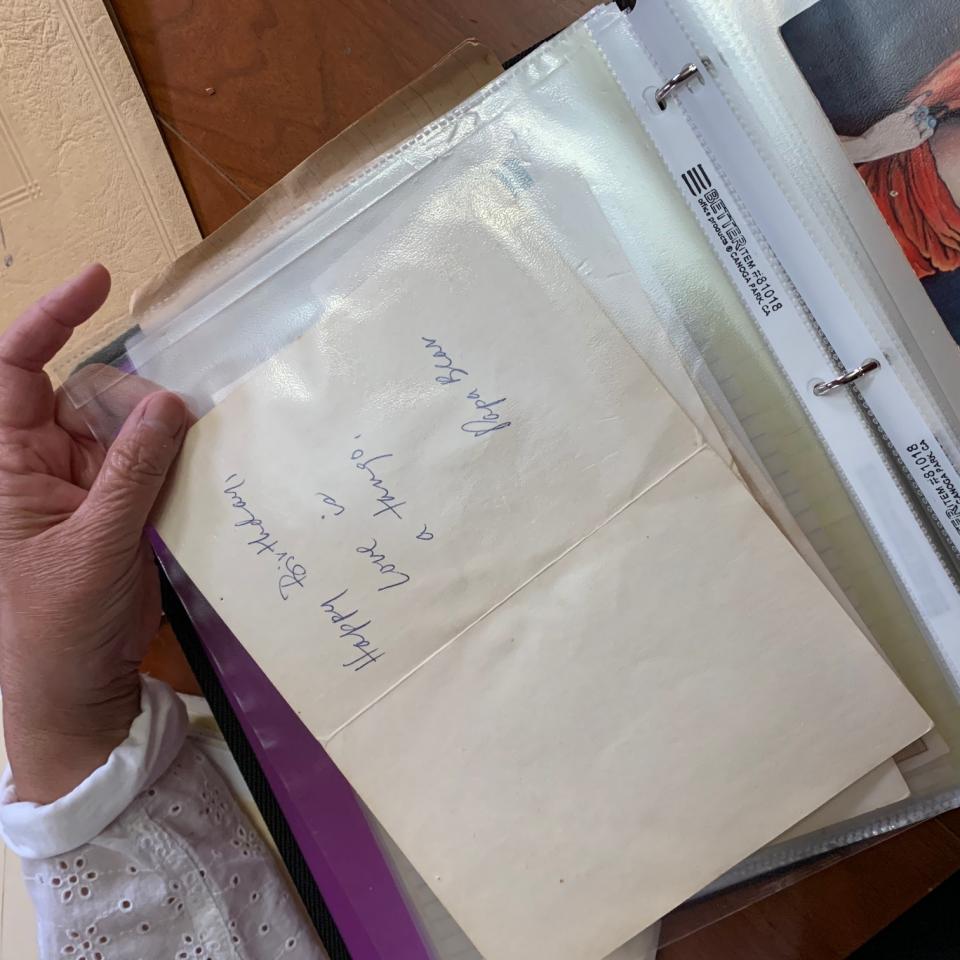
Is there a food that reminds you of a memory from when you were younger? Can you think of recipes or flavors that have been passed down in your family for generations?
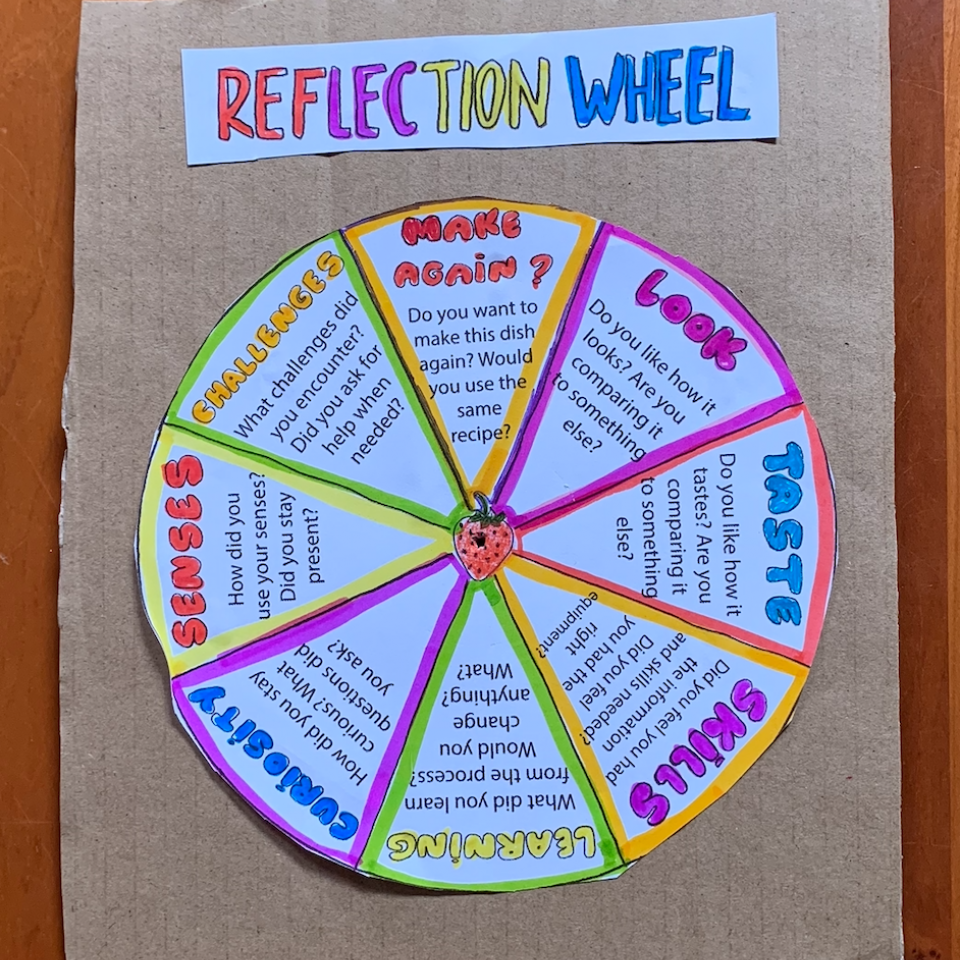
Experimenting and reflecting are important parts of learning to cook. Your mindset (how you think about something) impacts how we approach our time in the kitchen.
While you are learning to cook, it is important to take time and reflect. You will want to notice what went well and what you would do differently next time.
In this lesson, students reflect on their personal relationship and their family’s relationships with farming. Students will interview a family member and conduct research into their family's history with growing food. Finally, they will use their answers to develop a creative project.
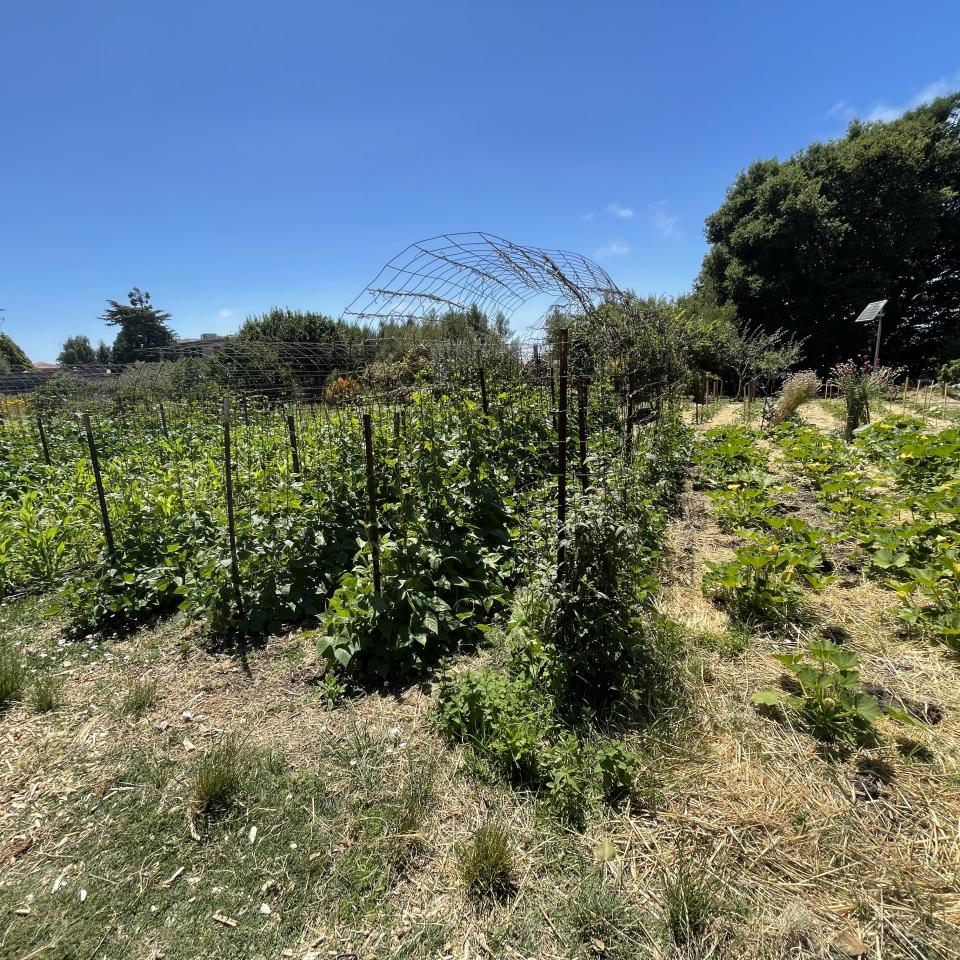
One way to understand farming and food systems is by looking close to home, in our local communities. In this lesson, students will investigate how individuals near them grow food and care for the land.
Organic is a multifaceted and complex subject! It can be helpful to examine the topic from a few lenses to pull out some of this complexity. One important lens is a student's own experience.