
Search
6112 Results
The Cooking with Curiosity curriculum is written for both distance and in person learning.
Fairburn, GA
United States
VISION: Our Vision is for students to live meaningful, healthy, flourishing lives through immersion in the arts, agriculture, and the environment.
In this 12-lesson series, students will explore the basic ecological principle of interdependence through the lens of common organic farming practices. Over the course of the series, students will explore a variety of questions:
In this lesson, students are introduced to the central project for the unit: developing a planting proposal for the garden.
In this lesson, students begin to explore the garden as an ecosystem. They learn that the principle of interdependence defines any ecosystem, and they look for examples of this principle at play in the garden.
In this lesson, students cultivate or till a garden bed and conduct an investigation on the impact cultivation and tillage on crop health. They start by reviewing the process of photosynthesis, and the requirements plants have for growth.
In this lesson, students deepen their understanding of the relationship between soil and crop health by conducting a hands-on soil investigation.
In this lesson, students apply what they learned about the soil in their garden in the previous two lessons to identify crops that may grow well in their garden.
In this lesson, students explore the agricultural method of companion planting, a method developed and still used by Indigenous farmers around the world. In this lesson, students will engage with a text about the “Three Sisters” method of planting beans, corn, and squash together.
In this lesson, students complete a card sort activity that introduces them to the various biotic interactions, or interactions between organisms, that may occur in a garden ecosystem.
In this lesson, students apply what they learned in the previous lesson about biotic interactions to explore the organic farming technique of weeding by hand. When farmers weed, they are removing plants they deem to be in competition with the crops they are intentionally cultivating.
In this lesson, students expand on what they learned in the previous lesson about biotic interactions to begin mapping a food web of the garden. This lesson forms the foundation for the next lessons in which students will consider how matter and energy flow through a garden ecosystem.
In this lesson, students take a deep dive into exploring how energy moves through a garden ecosystem. First, students define and observe examples of energy in the garden ecosystem. Then they examine where the energy in a garden ecosystem comes from, and whether it could ever run out.
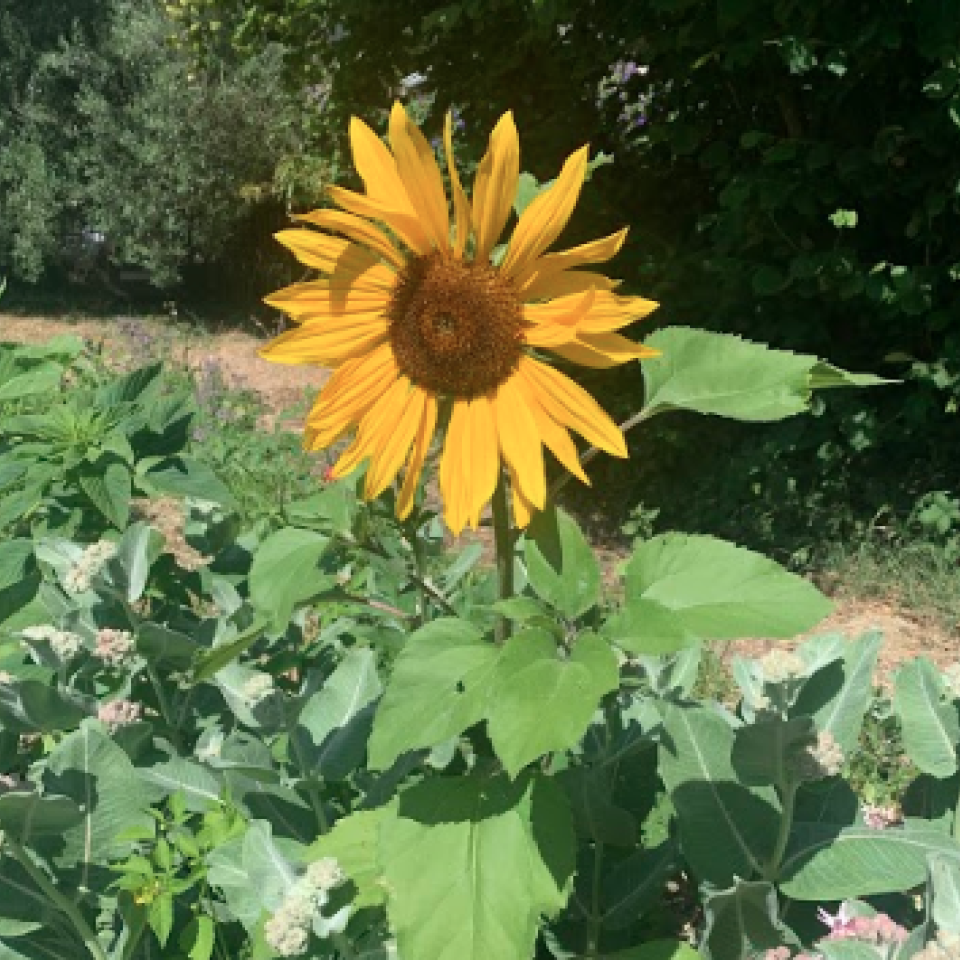
In this lesson, students take a deep dive into exploring how energy and matter move through a garden ecosystem. Students start by defining and observing examples of matter in the garden ecosystem.
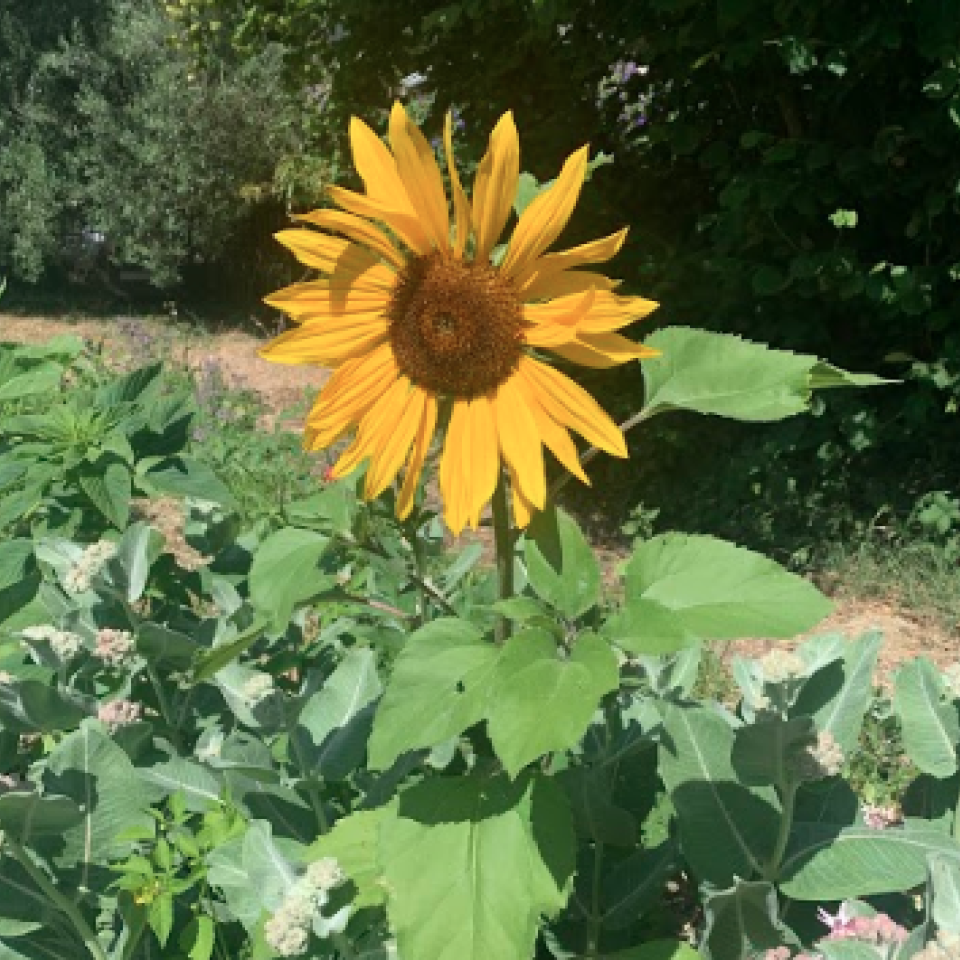
In this two-day lesson, students will explore the agricultural practice of composting, and the role of decomposition in a garden ecosystem. The first day focuses on exploring the process of decomposition using observations of a series of compost piles at different stages of decomposition.
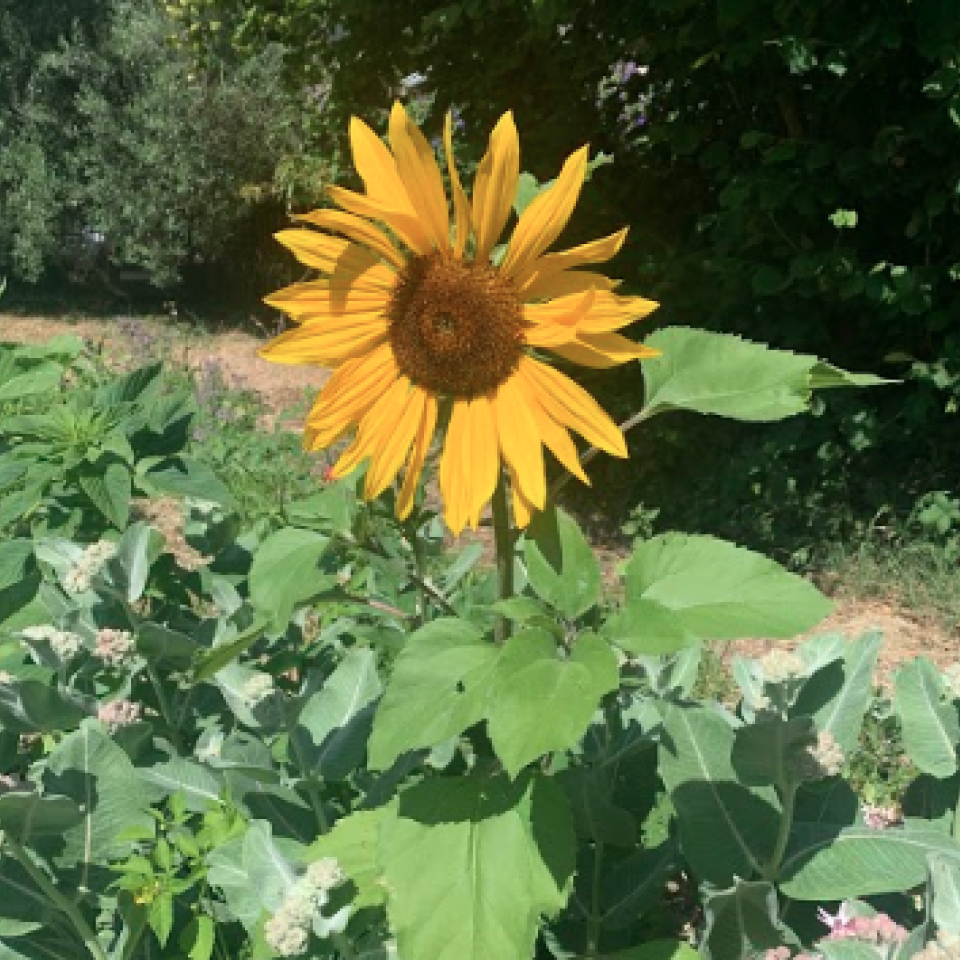
In this lesson, students will synthesize their learning from the unit in order to develop a planting proposal for the garden. Depending on how in-depth you want your students to go, you may choose to spend anywhere from a day to a week on this part of the unit.
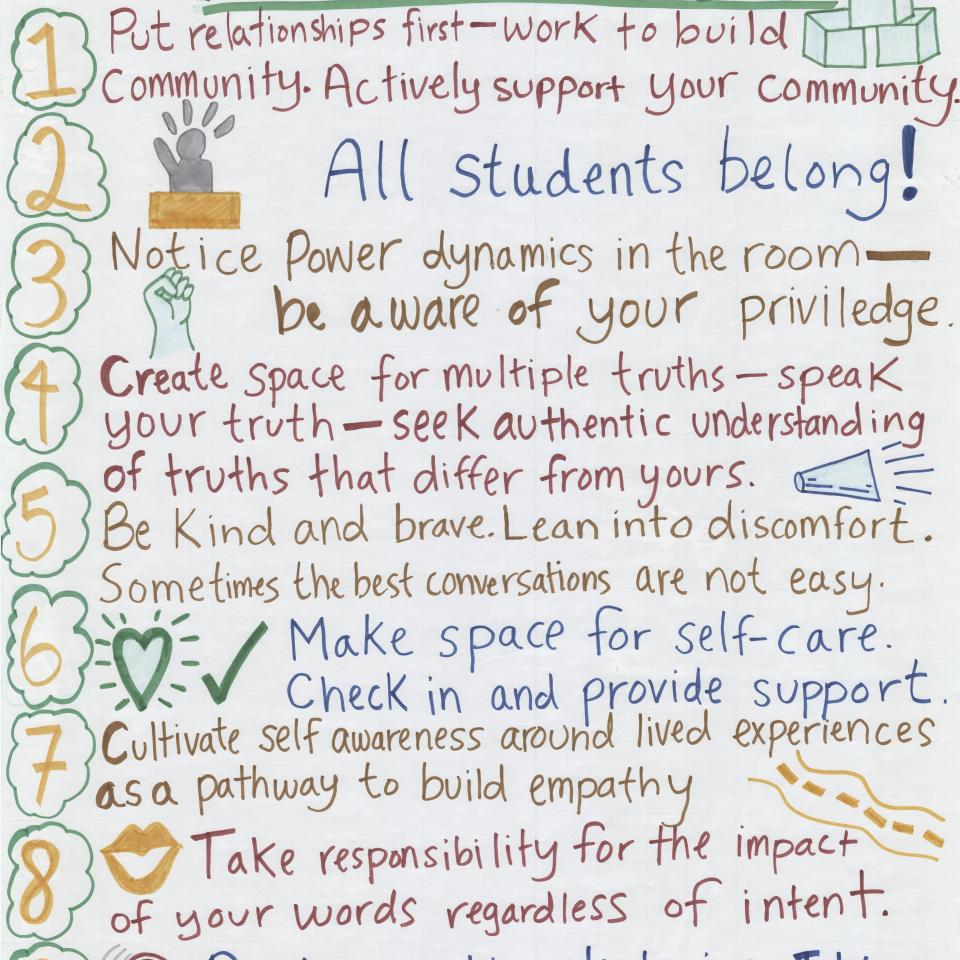
The Edible Schoolyard Inclusive Practices is a set of agreements that center equity in approaching conversations with one another.


