Kitchen Orientation

4.5
Published March 26, 2012 | Updated July 3, 2012
Subject: English, History, Social Studies
Season: Winter, Spring, Summer, Fall
Place of Learning: Kitchen Classroom
Resource Type: Lessons
Grade Level: Grade 6
Uploaded by:
Kyle Cornforth
Program Affiliations:

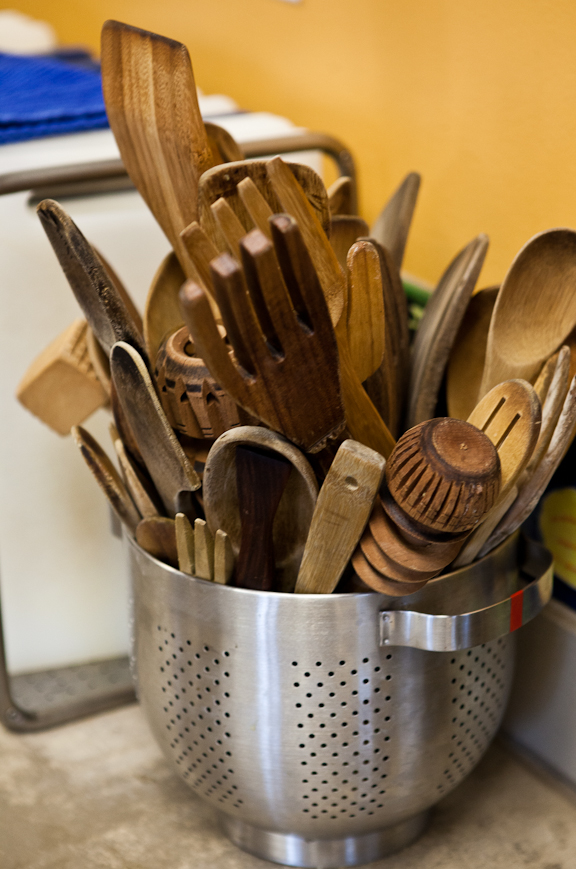
This lesson introduces 6th grade students to the kitchen classroom. Students meet staff, tour the kitchen, and learn the basic rules and systems. They then write and share a food memory.

Objectives

After this lesson, students will be able to:

  • Name the basic tools and equipment in the kitchen
  • Use descriptive language and sensory details in a short essay
  • Practice implementing basic kitchen routines
Assessments

During this lesson, students will:

  • Accurately identify the basic tools and equipment in the kitchen
  • Write a descriptive food memory
  • Compost foods scraps and correctly utilize the bussing system
Materials
Before you Begin
Procedures

Welcome and Introduction

  1. Welcome students, and divide them into three table groups. Table groups are color-coded: green, red, and blue.
  2. Introduce kitchen staff and volunteers.
  3. Emphasize the students’ transition from the garden to the kitchen, and invite them to share examples of plants they saw growing in the garden throughout the fall.
  4. Have students define organic and seasonal. Discuss what is cooked in the kitchen (organic, seasonal, vegetarian).
  5. Discuss the behavior expectations in the kitchen.
  6. Give a general tour of important kitchen features and systems: cubbies, recycling, compost, spice table, oven, dish cupboard, altar, metro shelf, fridge, bussing station, griddle, dish tower, and dishwasher.
  7. Answer questions and direct students’ attention to their table group.

Table Group Tour

Explain to the table groups their areas of responsibility: the table, the toolbox, and the cooking station. Address that students are responsible for cleaning and maintaining these three areas.

  1. Familiarize students with the cooking station and its contents, asking them to name the basic tools and equipment throughout the tour.
  2. Familiarize students with the toolbox and its contents (toolboxes are color-coded for each table).
  3. Explain the knife rules in the kitchen and ask students to demonstrate proper knife safety.

Food Memory

  1. Pass out the Food Memory worksheets and pencils.
  2. Read several examples and ask students to describe a personal memory about food using vivid language. Encourage students to think about the setting, the flavors, the aromas, and other details such as the time of year and the occasion.
  3. Provide water and a seasonal snack.
  4. Have students familiarize themselves with the kitchen systems by composting, bussing dishes, and refilling water pitchers.

At the Closing Circle

  1. Invite students to share their food memories.
  2. Answer any remaining questions.
Vocabulary
Seasonal
Organic
Cubbies
Dish Cupboard
Altar
Metro Shelf
Fridge
Bussing Station
Griddle
Dish Tower
Spice Table
Connections to Standards

California State, English–Language Arts, Grade 6
2.1.a Establish and develop a plot and setting and present a point of view that is appropriate to the stories.

Edible Schoolyard In the Kitchen, Tools, Grade 6
6.1 Students recognize and name basic tools and equipment.

Edible Schoolyard In the Kitchen, Routines, Grade 6
6.1 Students follow instructions to implement the following routines:

  • Compost
  • Clean as you go
  • Setting and clearing table
  • Clean-up and dishes
  • Table etiquette
Contributors

All lessons at the Edible Schoolyard Berkeley are a collaboration between the teachers and staff of the Edible Schoolyard and Martin Luther King Jr. Middle School. 

Other Content From Kyle Cornforth

Students work in the ESY kitchen to bake a delicious treat of pear and apple crisp. Students recognize that this is their last garden after school class. They reflect on their time and share out a highlight from their time here. They also share plans for the Thanksgiving...

Area: Garden Classroom
Type: Lessons
Rating:
0

Students have a light snack. Students will work together to plant four beds of green cabbage. Students draw on their knowledge on how to amend soil with compost. They then transplant, water and cover beds with hoops and nettings.

Area: Garden Classroom
Type: Lessons
Rating:
0

Students work together to make roasted potatoes in the wood fire oven. While potatoes are cooking, students enjoy each other’s company and have time to play with the chickens.

Area: Garden Classroom
Type: Lessons
Rating:
0